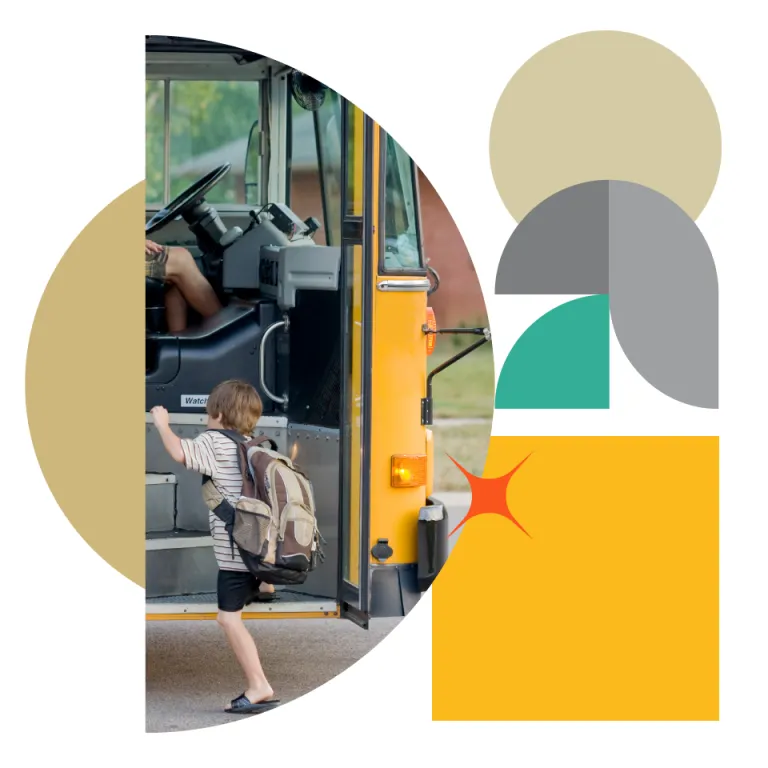
If you were a student in the Denver Public Schools between 2008 and 2019, you may not have realized it at the time, but you were likely benefiting from the most comprehensive and effective education reform initiative in the history of the United States. You were learning more than students in other comparable Colorado school districts, and you were more likely to graduate within four years than students from previous years. This held true regardless of your ethnicity and if you were part of a historically underserved population. Moreover, the improved learning outcomes you experienced during that period are destined to have a lasting impact on your life and almost certainly on your children’s lives as well.

If you were parent (or grandparent) of a Denver Public Schools (DPS) student during that time, you may remember that the DPS reforms sparked heated debate. On the one hand, parents enjoyed more choice in where their children attended school, while on the other they may have seen established neighborhood schools closing, new charter schools opening, and more pronounced turnover among teachers, principals, and other school staff. It may have been natural to wonder what good could come from so much upheaval.

It turns out quite a lot, according to the results of a landmark study by the Center for Education Policy Analysis at CU Denver.


Over the years, many of the arguments for and against the DPS reforms have been subjective, relying on limited, anecdotal evidence. Crucially missing was a broader, more data-driven analysis of the reform’s actual impact, which is where the Center for Education Policy Analysis (CEPA) in the School of Public Affairs (SPA), comes into the picture. Led by Parker Baxter, JD, Scholar in Residence at SPA and CEPA’s director (pictured below), a team of researchers embarked on a robust statistical analysis to determine whether Denver’s school reform strategy improved academic outcomes for students.


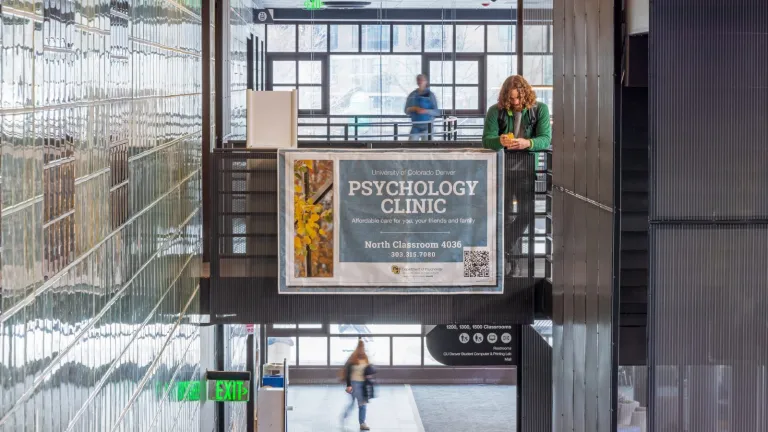
photo of CU Denver psychology clinic banner hanging inside a stairwell

CU Denver Psychology Clinic: Compassionate Care, Grounded in Science

At the heart of CU Denver’s downtown campus, the Psychology Clinic stands as a vital resource for the Denver community and a cornerstone of clinical training for doctoral students in the Clinical Health Psychology Ph.D. program. This unique, university-based clinic offers high-quality, affordable mental health services while preparing the next generation of psychologists through hands-on, supervised experience. 

Located on campus, the clinic features eight therapy rooms equipped with technology for session supervision. It is primarily funded through the university budget and modest grants. As demand grows, so does the need for additional resources to support both clients and students. 


Mission-Driven Mental Health Care 

The Psychology Clinic is more than a training site—it’s a place of healing. Guided by a mission to provide confidential, compassionate care, the clinic delivers evidence-based treatment and assessment services tailored to each individual’s needs. Diversity and inclusion are central to its philosophy. Faculty and student therapists welcome clients of all ages, cultures, ethnicities, socioeconomic backgrounds, religions and sexual orientations. 


Training Excellence Meets Community Impact 

Therapists at the clinic are doctoral students, closely supervised by licensed psychologists from CU Denver’s faculty. The training program is accredited by the American Psychological Association, ensuring rigorous standards in both education and care. Unlike many programs that rely on external placements, CU Denver’s clinic allows students to gain clinical experience in-house—within a supportive, academically rich environment. 


Accessible Services for All Ages 

The clinic serves clients as young as four years old and uses a sliding scale payment model to reduce financial barriers. Therapy sessions range from just $5 to $40, making mental health care accessible to students and residents across the Denver metro area. Despite its affordability, demand is high, and the clinic currently maintains a significant waitlist. 

In recent years, the clinic has seen a surge in requests for autism services, particularly training for childhood autism assessments. These services, which typically cost $3,000–$4,000 elsewhere, are offered at CU Denver for $750–$1,000. However, the wait time for these services has grown to nearly three years, underscoring the urgent need for expanded capacity and funding. 


Opportunities to Support 

CU Denver invites partners and donors to help expand the clinic’s reach and impact through targeted funding opportunities: 

  • Subsidize Services: Ensure therapy and assessment services remain accessible to all, including autism evaluations and opportunities to host expert-led training sessions.
  • Support Students: Provide scholarships and stipends for underrepresented students, many of whom face financial hardship while pursuing their degrees.
  • Upgrade Technology: Invest in new video/audio hardware, software and devices (e.g., iPads, cameras) to enhance supervision and clinical training. Estimated cost: $20,000+.
  • Improve Facilities: Help refresh therapy spaces with updated furniture and design improvements.
  • Expand Specialized Care: Fund initiatives focused on LGBTQIA+ mental health, domestic violence and substance abuse—areas where need has increased significantly since the pandemic. 
Campus

A group of three people sitting on chairs with open books having a conversation

Expanding Colorado’s Mental Health Workforce Through Equity and Education

The University of Colorado Denver’s School of Education & Human Development (SEHD) is leading a transformative effort to diversify and strengthen the mental health workforce in Colorado. As mental health needs continue to rise, SEHD is preparing culturally responsive practitioners who reflect the populations they serve and are equipped to address disparities in care. 


A Critical Need for Representation 

Colorado ranked46th in the nationfor mental illness prevalence and access to care, according to Mental Health America’s 2024 report. Residents face elevated rates of mental illness, substance use and major depressive episodes. Yet for many individuals of color, finding a mental health provider who understands their cultural background remains a significant challenge. 

Nationally, the mental health workforce is81 percent white, with disproportionately low representation among Latiné (7.95%), Black/African American (5.08%), Asian (3.28%), American Indian/Alaska Native (0.13%) and other racial and ethnic groups. This lack of representation contributes to lower rates of care-seeking among communities of color and persistent disparities in mental health outcomes. 


Training Inclusive Practitioners 

SEHD is committed to preparing equity-minded mental health professionals through its nationally accreditedMA in CounselingandMA in Couple and Family Therapyprograms. These programs emphasize culturally informed interventions, social justice and systems theory, equipping graduates to serve diverse urban, rural and global communities. 

Students in these programs receive rigorous academic and clinical training with a focus on theoretical knowledge around the social determinants of mental health. The school’s faculty and staff reflect a deep commitment to inclusion and innovation, creating a learning environment where students of all identities feel empowered. 
 

“Since orientation day, I have felt incredibly supported by the faculty here. I feel they truly value my learning and growth as a person and aspiring couples and family therapist. I really appreciate that the program is firmly grounded in social justice and systems theory and inclusive of students of all identities. I know this will especially prepare me, as I hope to work with clients from diverse backgrounds throughout my career.” 
 
Helene Bansley, MA in Couple and Family Therapy student 
 

Opportunities for Impact 

Philanthropic support plays a vital role in removing financial barriers for students who are passionate about serving their communities. Approximately84 percent of SEHD students qualify for financial aid, and100 percent of graduatesfrom these programs pass their state licensure exams. The job placement rate exceeds88 percent, demonstrating the programs’ effectiveness and impact. 

Donors have the opportunity to: 

  • Support scholarships and tuition assistancefor students from underrepresented backgrounds
  • Fund clinical experiencesthat promote diversity and address historical disparities
  • Empower future community leadersin behavioral health
  • Help recruit and retain studentswho will diversify and improve the mental health workforce 

Every gift directly supportsfirst-generation and multicultural studentswho are committed to improving mental health outcomes in their communities. This investment not only strengthens Colorado’s workforce, but fosters a more equitable and compassionate society. 

Campus
Content Section

CU Giving Days break records with community support

This spring, three CU campuses rallied their communities to raise money for scholarships, programs, emergency funds and more. Matching and challenge gifts played a crucial role in amplifying contributions, encouraging participation and maximizing impact. Here’s what that collective effort made possible: 

 ____________________

Image
Buffs all in

On CU Boulder's third-annual giving day, 2,499 donors raised $1,082,362, almost doubling last year’s giving day total. These gifts will directly fund student success, research, athletics, emergency assistance and other critical needs.

Image
Carry the light logo

UCCS’ inaugural giving day inspired the Mountain Lion community to make an impact. 425 donors gave during the 24-hour event, raising more than $110,000 for scholarships, essential programs and student resources.

Image
Make it real logo

CU Denver’s annual giving day ensured continued success for students by raising $122,550 from 386 donors, surpassing the campaign’s goal. Gifts were directed to 32 funds across CU Denver’s schools, colleges and key programs.

food fight banner

Food Fight was a huge success! Here’s what you made possible.


In fall 2024, CU Denver and UCCS participated in Food Fight, a friendly fundraising competition to raise money for the food pantries on each campus. Your support during this inaugural Food Fight campaign made an incredible impact.

Nearly half of college students struggle with food insecurity which can impact their health, grades, relationships and more. Campus food pantries provide a crucial safety net—and they supply more than food. CU Denver and UCCS students can also grab essentials including toiletries and baby care items, get connected with mental health resources and housing services, and find a welcoming space where they are met with kindness and support. 

Thanks to you, we're knocking out hunger and helping students succeed at CU Denver and UCCS! 

Content Section

Your Impact

370 donors raised nearly $34,684

195 donors raised more than $17,594 for Milo's Market at CU Denver

175 donors raised more than $17,090 for Clyde's Cupboard at UCCS

Who participated in Food Fight 2024?

Counter: 27 %

First time donors

Counter: 25 %

Previous donors

Counter: 35 %

Alumni

Counter: 23 %

Faculty & staff

Content Section

Quick facts about Milo's Market, CU Denver's free grocery store


  • Pantry usage increased from 3,000 to 7,000 students per semester in fall 2024

  • Provides fresh produce, dry and canned goods, dairy products, easy meals, hygiene items and more

  • Recently expanded with refrigerators and more fresh produce

  • Participates in Swipe Out Hunger, a program that allows students to donate meal swipes to those needing food assistance


    “With the massive increase in food pantry usage this semester, we were entering a very challenging budget situation. Before this campaign, we were unsure what we would be able to offer for the spring 2025 semester due to our dwindling funds. These funds are absolutely crucial to keeping our market open and will allow us to continue to serve students in a nourishing capacity next semester.” 

    —Victoria Watson, M.Ed, Assistant Director of Health Promotions & Basic Needs, CU Denver

Content Section
Content Section

Quick facts about Clyde’s Cupboard, UCCS’s campus food pantry


  • Students can visit the pantry once a week for 8–10 nonperishable food items and five hygiene items

  • Fresh Food Fridays provide fresh produce, dairy products and more

  • Through the Mountain Lion Meals program, students can sign up for three free meals a week at on-campus dining halls


    “Donors have made a real difference for us. The total dollars raised could fund almost an entire semester of weekly restocks for Clyde’s Cupboard. If we were to dedicate the money raised from the campaign to our Fresh Food Friday Program, it could fund two full academic years of Fresh Food Fridays!” 

    —Amber Gilson, Basic Needs Coordinator, UCCS

food fight word mark