
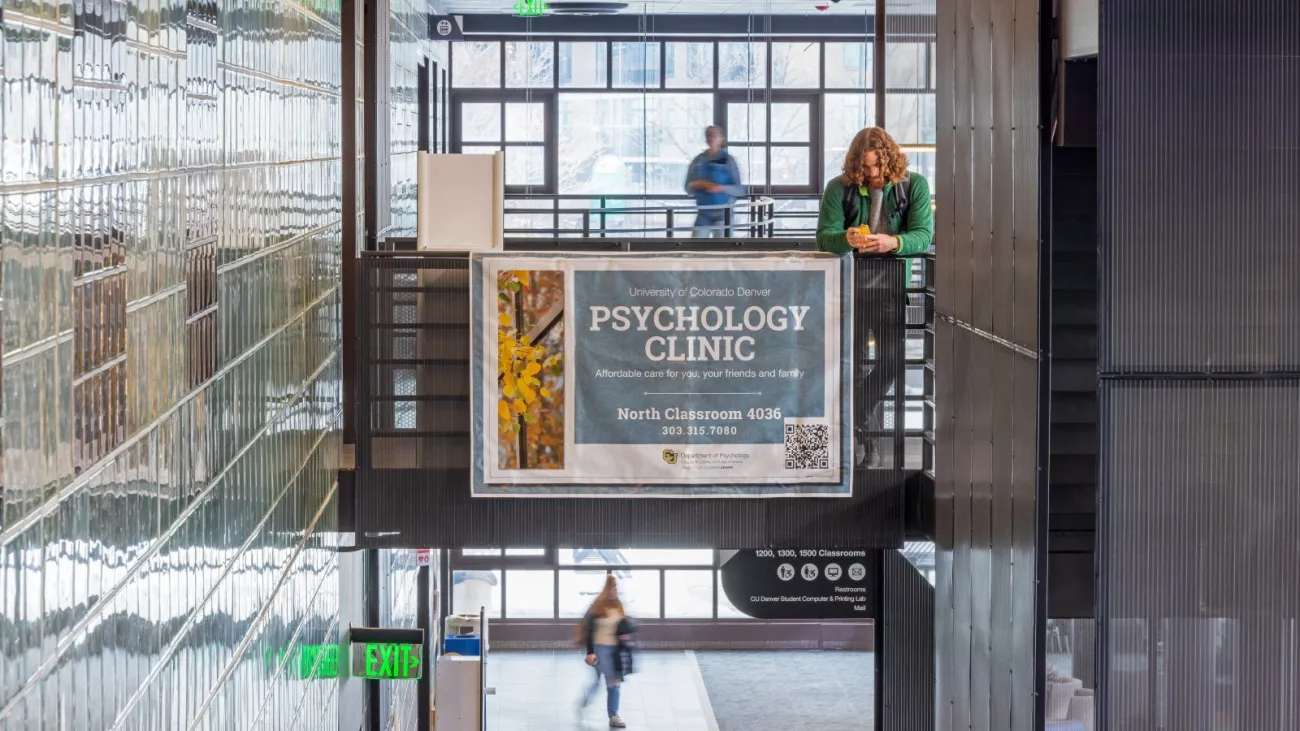
At the heart of CU Denver’s downtown campus, the Psychology Clinic stands as a vital resource for the Denver community and a cornerstone of clinical training for doctoral students in the Clinical Health Psychology Ph.D. program. This unique, university-based clinic offers high-quality, affordable mental health services while preparing the next generation of psychologists through hands-on, supervised experience.
Located on campus, the clinic features eight therapy rooms equipped with technology for session supervision. It is primarily funded through the university budget and modest grants. As demand grows, so does the need for additional resources to support both clients and students.
Mission-Driven Mental Health Care
The Psychology Clinic is more than a training site—it’s a place of healing. Guided by a mission to provide confidential, compassionate care, the clinic delivers evidence-based treatment and assessment services tailored to each individual’s needs. Diversity and inclusion are central to its philosophy. Faculty and student therapists welcome clients of all ages, cultures, ethnicities, socioeconomic backgrounds, religions and sexual orientations.
Training Excellence Meets Community Impact
Therapists at the clinic are doctoral students, closely supervised by licensed psychologists from CU Denver’s faculty. The training program is accredited by the American Psychological Association, ensuring rigorous standards in both education and care. Unlike many programs that rely on external placements, CU Denver’s clinic allows students to gain clinical experience in-house—within a supportive, academically rich environment.
Accessible Services for All Ages
The clinic serves clients as young as four years old and uses a sliding scale payment model to reduce financial barriers. Therapy sessions range from just $5 to $40, making mental health care accessible to students and residents across the Denver metro area. Despite its affordability, demand is high, and the clinic currently maintains a significant waitlist.
In recent years, the clinic has seen a surge in requests for autism services, particularly training for childhood autism assessments. These services, which typically cost $3,000–$4,000 elsewhere, are offered at CU Denver for $750–$1,000. However, the wait time for these services has grown to nearly three years, underscoring the urgent need for expanded capacity and funding.
Opportunities to Support
CU Denver invites partners and donors to help expand the clinic’s reach and impact through targeted funding opportunities:
- Subsidize Services: Ensure therapy and assessment services remain accessible to all, including autism evaluations and opportunities to host expert-led training sessions.
- Support Students: Provide scholarships and stipends for underrepresented students, many of whom face financial hardship while pursuing their degrees.
- Upgrade Technology: Invest in new video/audio hardware, software and devices (e.g., iPads, cameras) to enhance supervision and clinical training. Estimated cost: $20,000+.
- Improve Facilities: Help refresh therapy spaces with updated furniture and design improvements.
- Expand Specialized Care: Fund initiatives focused on LGBTQIA+ mental health, domestic violence and substance abuse—areas where need has increased significantly since the pandemic.